

Losing 10 pounds means something very different for a 130-pound person than it does for a 250-pound person. That’s exactly why the number on your scale can be misleading — and why a weight loss percentage calculator tells a much more honest story about your progress.
If you’ve ever felt discouraged because the scale “only” moved a few pounds, this article will show you why percentage tracking matters more than raw numbers, how to calculate it yourself in seconds, and what a healthy, sustainable rate of loss actually looks like.
What Is a Weight Loss Percentage Calculator?
A weight loss percentage calculator is a simple tool that shows how much body weight you’ve lost relative to your starting weight, expressed as a percentage instead of just pounds or kilograms.
Instead of saying “I lost 12 pounds,” you’d say “I lost 8% of my body weight.” This matters because health outcomes — like improvements in blood pressure, cholesterol, and blood sugar — are often measured in percentage of body weight lost, not absolute pounds.
The Formula
The math behind it is simple:
Weight Loss % = (Starting Weight − Current Weight) ÷ Starting Weight × 100
Example:
- Starting weight: 200 lbs
- Current weight: 180 lbs
- Weight lost: 20 lbs
- Calculation: 20 ÷ 200 × 100 = 10% weight loss
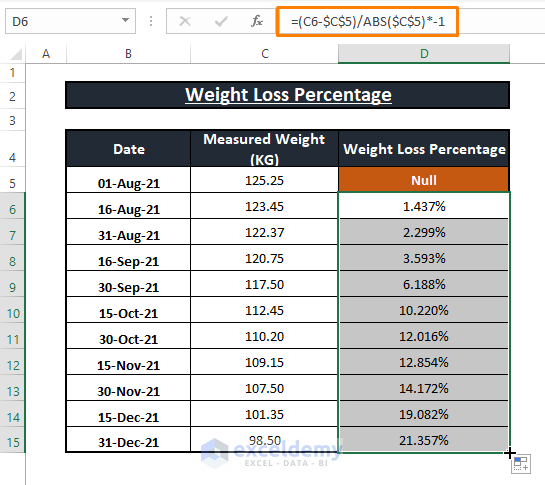
You can do this on any calculator, in a spreadsheet, or use an online weight loss percentage calculator that does the math instantly — useful if you’re tracking weekly and don’t want to redo the formula every time.
Why Percentage Matters More Than Pounds
Two people can lose the exact same number of pounds but have very different results in terms of health impact and effort required. Here’s a clearer picture:
| Starting Weight | Pounds Lost | Weight Loss % |
|---|---|---|
| 150 lbs | 10 lbs | 6.7% |
| 200 lbs | 10 lbs | 5.0% |
| 250 lbs | 10 lbs | 4.0% |
| 300 lbs | 10 lbs | 3.3% |
Notice how the same 10-pound loss represents a much bigger relative change for someone starting at 150 lbs than for someone starting at 300 lbs. This is why fitness coaches, dietitians, and even clinical weight-loss studies rely on percentage rather than raw pounds when comparing progress across different people.
It also helps explain a common frustration: someone with more weight to lose might drop pounds faster in early weeks (mostly water weight and glycogen), while someone closer to their goal weight may see slower pound-for-pound progress — even though their percentage loss is just as meaningful.
What’s a Healthy Weight Loss Percentage?
Most health organizations, including guidance commonly cited by the CDC and clinical weight-management research, point to 1–2 pounds of weight loss per week, or roughly 0.5–1% of total body weight per week, as a safe and sustainable pace for most adults.
A few benchmarks worth knowing:
- 5% weight loss — Research has repeatedly linked this threshold to measurable improvements in blood pressure, blood sugar, and cholesterol levels for people who are overweight.
- 10% weight loss — Often associated with more significant metabolic improvements and is a common goal in structured weight-management programs.
- Rapid loss (over 2% per week) — Usually unsustainable long-term and may signal muscle loss rather than fat loss, especially without resistance training.
These are general patterns, not guarantees — individual results vary based on age, starting weight, activity level, muscle mass, and underlying health conditions. If you have a medical condition or are on medication, it’s worth checking in with a doctor or registered dietitian before setting an aggressive target.
How to Calculate Your Weight Loss Percentage (Step-by-Step)
You don’t need special software to figure this out. Here’s a simple process:
Step 1: Weigh Yourself Consistently
Use the same scale, same time of day (morning, after using the bathroom, before eating), and similar clothing each time. This reduces the natural daily fluctuations caused by water retention, food intake, and hormones.
Step 2: Record Your Starting Weight
Write down your weight on day one. This is your baseline number for every future calculation.
Step 3: Track Your Current Weight
Weigh in weekly rather than daily. Daily weight can swing 1–3 pounds due to water and digestion, which can be discouraging and doesn’t reflect real fat loss.
Step 4: Apply the Formula
Plug your numbers into:
(Starting Weight − Current Weight) ÷ Starting Weight × 100
Step 5: Log It Over Time
Keep a simple spreadsheet or notebook with weekly percentages. Watching the trend line matters far more than any single week’s number.
Weight Loss Percentage vs. Other Progress Metrics
Percentage tracking is useful, but it works best alongside other measurements — not as the only number that matters.
- Body measurements (waist, hips, chest) often shift even when the scale doesn’t, especially when you’re building muscle while losing fat.
- Body fat percentage gives a more precise picture of fat loss versus muscle loss, though it typically requires special tools like calipers, bioelectrical impedance scales, or DEXA scans.
- How clothes fit and energy levels are simple, low-tech indicators that many people find just as motivating as numbers on a scale.
- Progress photos taken every few weeks can reveal changes that daily weigh-ins miss entirely.
Relying on weight loss percentage alone can sometimes mask what’s really happening — for instance, someone doing strength training might lose fat and gain muscle at the same time, keeping total weight (and percentage loss) almost flat despite real physical change. This is one of the more common gaps left out of most weight-loss calculators, and it’s worth knowing before you get discouraged by a stalled percentage.
People can also read this: How to Calculate Percentage Decrease (Free Formula + Examples)
Common Mistakes People Make
- Weighing in too often. Daily fluctuations can make you feel like you’re failing when you’re actually on track.
- Comparing your percentage to someone else’s. Age, hormones, muscle mass, and metabolism all affect the pace of loss.
- Ignoring non-scale progress. Strength, sleep quality, and mood improvements are real results too.
- Chasing rapid percentage drops. Losing more than 1% of body weight per week for extended periods is often unsustainable and can affect muscle mass and metabolism.
Final Thoughts
A weight loss percentage calculator gives you a clearer, fairer way to measure progress than the scale number alone. It puts your results in context, helps you set realistic goals, and can keep you motivated during weeks when pounds lost seem small but percentage progress is still solid. Used alongside body measurements and how you feel day to day, it becomes one of the simplest and most reliable ways to track a weight-loss journey that actually lasts.
Frequently Asked Questions
How do I calculate my weight loss percentage manually?
Subtract your current weight from your starting weight, divide that number by your starting weight, then multiply by 100. For example, losing 15 lbs from a 180 lb starting weight is (15 ÷ 180) × 100 = 8.3%.
What percentage of weight loss is considered significant?
Losing around 5% of body weight is often linked to noticeable health improvements, such as better blood pressure and blood sugar readings, based on common clinical research benchmarks.
Is losing 1% of body weight per week healthy?
Yes, for most adults, losing 0.5–1% of body weight per week is generally considered a safe and sustainable pace, according to widely cited health guidelines.
Why did my weight loss percentage stay the same even though I’m exercising?
If you’re strength training, you may be gaining muscle while losing fat, which can keep your total weight — and percentage — steady even though your body composition is improving.
Can a weight loss percentage calculator replace a doctor’s advice?
No. It’s a helpful tracking tool, but it doesn’t account for individual health conditions, medications, or metabolic factors. Speak with a healthcare provider for personalized guidance.
Does weight loss percentage work the same for men and women?
The formula is the same, but the pace of loss can differ due to factors like hormone levels, muscle mass, and metabolism, so direct comparisons between individuals aren’t always meaningful.
For more updates visit: CALCIQ